Published · Serving Hoboken and Hudson County, NJ
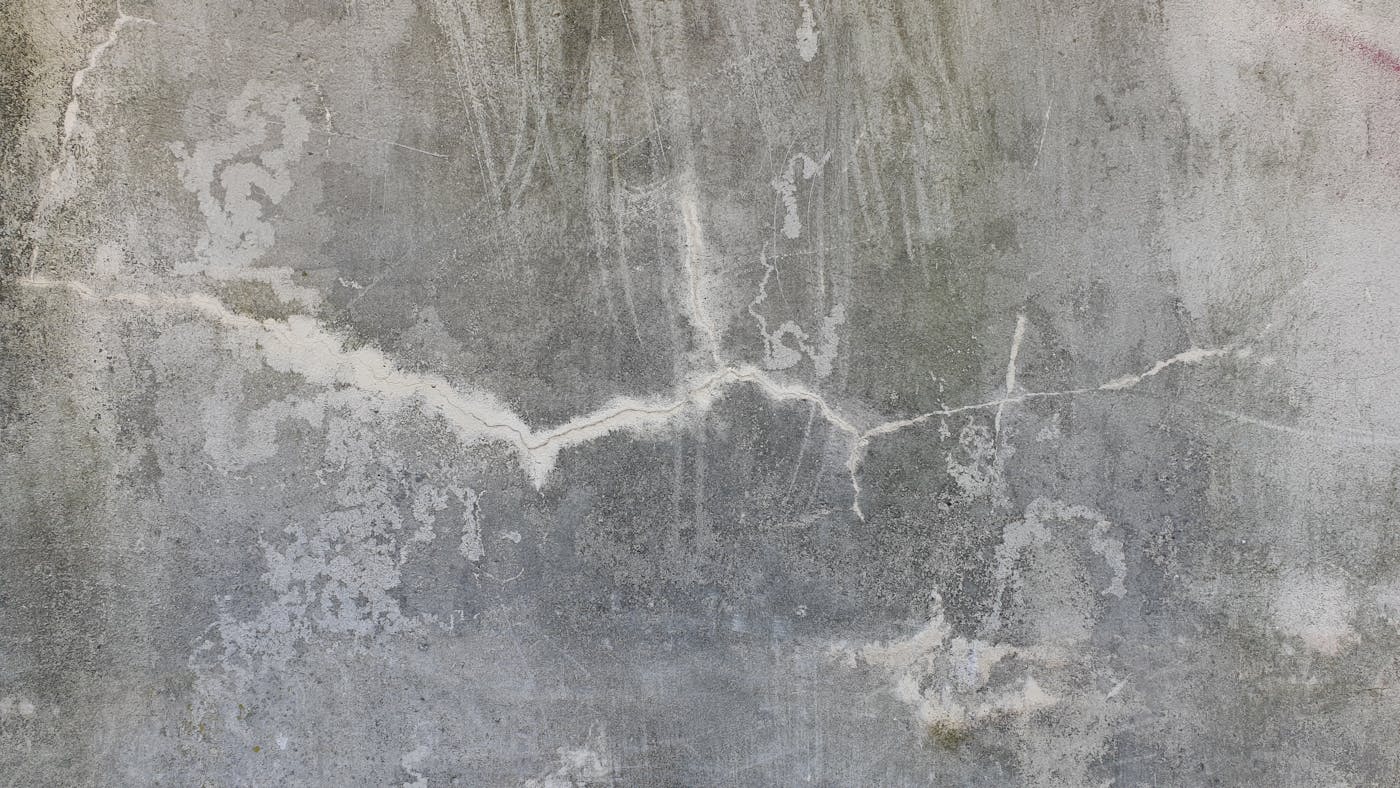
Foundation crack repair in Hoboken, NJ seals an active leak at the source using epoxy or polyurethane injection from inside the basement — no excavation required. Both materials fill the crack through its full depth, not just the surface, and create a permanent seal. This is the right fix when you have an isolated crack in a poured concrete foundation wall with water actively coming through, or a crack you want sealed before it worsens.
How Crack Injection Works
Injection works by drilling a series of small ports along the crack, spaced a few inches apart. Resin — epoxy or polyurethane — is pumped into the first port under low pressure and travels through the crack toward the next port, filling the void from the interior face to the exterior. Once material appears at the second port, the first is capped and the process continues until the full length and depth of the crack is filled.
After curing, the injected crack is typically stronger than the surrounding concrete. No exterior access is needed, and the work can be done in a finished basement with minimal disruption.
Epoxy vs. Polyurethane — Which Is Right
Use epoxy when the crack is stable with no ongoing movement and structural reinforcement is the goal. Epoxy bonds the concrete chemically and restores near-original compressive strength. It works best on dry or only slightly damp cracks.
Use polyurethane when the crack is actively wet or leaking at the time of injection. Polyurethane foam expands as it cures, accommodating slight ongoing movement and filling voids that water is actively moving through. It is also the material of choice for concrete block foundations.
When Crack Injection Is Not the Answer
Injection works on isolated cracks in poured concrete walls with a single defined pathway. It is not the right solution for:
- Widespread seepage across multiple sections of a concrete block wall
- Horizontal cracks across the wall face, which may indicate lateral soil pressure
- Foundations with widespread deterioration where individual crack patching won't stop overall seepage
- Cracks in walls with significant ongoing movement from settling
What Affects the Cost
Length and depth of the crack determine how many ports are needed and how much material is used. Access matters: cracks behind finished walls require partial drywall removal before injection can proceed. Active leaks with water present at the crack face may require additional preparation. A short crack in an accessible, unfinished basement is a straightforward, low-cost job.
Frequently Asked Questions
How long does crack injection last?
A properly injected crack is permanent when the foundation is stable. Epoxy-filled cracks typically do not reopen. If a crack reappears adjacent to the injection, it means the foundation has moved and the stress found a new path — that is a separate assessment.
Can crack injection be done from the outside instead?
It can, but there's rarely a reason to do so. Injection from the interior gives the same result without excavating your foundation. Exterior injection may be used in specific situations where the interior is inaccessible.
Will the same crack come back after injection?
An injected crack sealed with epoxy will not reopen at the same point if the foundation is not actively moving. If your foundation has ongoing settling — which is more common in Hoboken's soil conditions — additional cracks may open over time near the original repair.
How do I know if my crack needs injection or a structural repair?
Vertical cracks in poured concrete walls are typically shrinkage or settlement cracks and are good candidates for injection. Horizontal cracks across the wall face suggest lateral soil pressure and may need a structural assessment before injection. Diagonal cracks at corners often indicate settlement. An inspection will tell you which applies to your foundation.